
How the Right Gutter Materials and Design Improve Home Protection
Rain has a way of revealing which parts of a house were planned carefully and which were treated as an afterthought. Water spilling over an entryway, muddy trenches beside the foundation, or a constantly damp flower bed can all point toward a drainage system that isn’t doing its job. For homeowners comparing gutters Champaign IL options, the smartest choice begins with understanding how much water the roof collects and where that water needs to go. A gutter system may look simple from the driveway, but its material, shape, and placement can make an enormous difference when the next downpour arrives.
Start with the material, because the least expensive option on installation day isn’t automatically the best value over time. Aluminum is popular for good reasons: it’s relatively lightweight, resists rust, and comes in colors that work with many exteriors. Steel offers strength, although its coating and maintenance needs deserve attention, particularly after scratches or standing moisture. Copper develops a distinctive finish as it ages, but its higher price makes it a more specialized choice. No material is completely maintenance-free. An experienced installer can explain what holds up well locally, how different finishes weather, and which choice fits the home’s budget without sacrificing dependable performance.
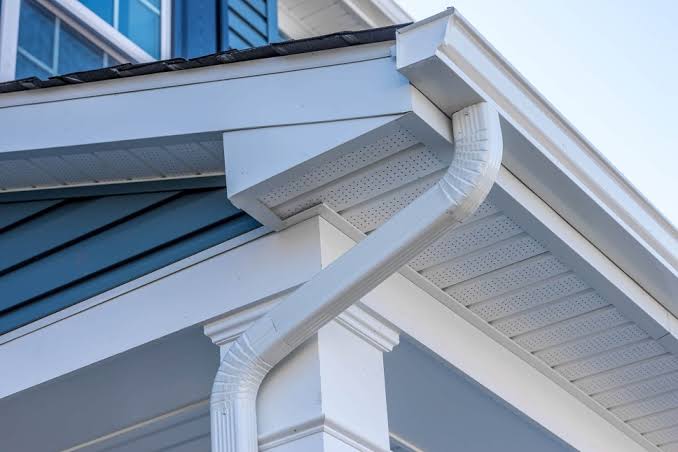
Size and layout deserve just as much thought as the metal itself. A large roof or a steep pitch can send impressive amounts of water toward one stretch of gutter during a storm. If that channel is undersized, overflow may occur even when it’s perfectly clean. Downspouts also need adequate capacity and sensible locations, with discharge directed away from vulnerable areas around the house. Then there’s the question of seams. Seamless gutters are formed in long sections to reduce joints along straight runs, though corners and outlets still require connections. The best design considers the whole drainage path, not simply the appearance along the roof edge.
Installation quality is where an otherwise promising system can fall short. Gutters need a carefully planned slope, sturdy hangers, and secure attachment to sound fascia. Too little slope can leave water sitting in the channel, while careless positioning can encourage water to run behind it. Experienced installers also look at roof valleys, tricky corners, and landscaping that could be affected by discharge. They can spot situations where an extra downspout or a different outlet location is more useful than buying a bigger gutter everywhere. Before hiring, ask about materials, fastening methods, drainage recommendations, and what the written estimate actually covers.
A good gutter decision should make rainy days less eventful, not give homeowners another chore to worry about. After installation, occasional cleaning and checks for blockages, loose fasteners, or pooling water are still worthwhile. Gutter guards may reduce certain debris problems, but they don’t eliminate the need for inspection. When evaluating gutters Champaign IL services, look for someone willing to assess the property rather than recommend the same setup to every customer. Thoughtful sizing, suitable materials, and skilled workmanship work together to protect siding, soil, and foundation areas. That’s a much better return than a system chosen simply because it looked fine on a sample display.